Florida to Close the Controversial 'Alligator Alcatraz' Detention Center in June
Florida will close the controversial migrant detention center 'Alligator Alcatraz' in the Everglades after months of criticism, legal actions, and concerns about human conditions inside the facility.
 Andres Paz
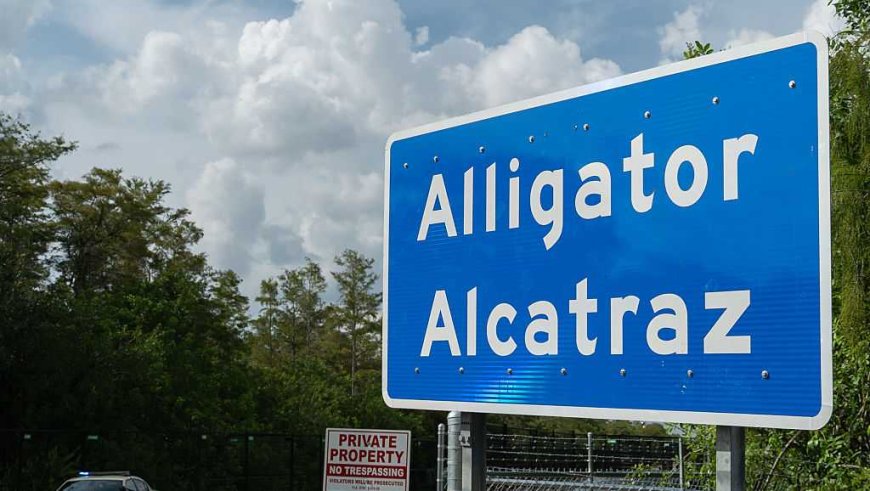
COLLIER COUNTY, Fla. — The state of Florida is reportedly preparing to close the controversial migrant detention center known as “Alligator Alcatraz” in early June, according to reports published by The New York Times and CNN affiliate WFOR.
According to multiple sources familiar with the operations of the site, contractors and vendors working at the facility were notified this week that detainees will begin to be transferred “in early June” and that the center will subsequently be dismantled in the following weeks.
The facility, located in a remote area of the Florida Everglades, was inaugurated last summer on the grounds of the Dade-Collier Training and Transition Airport, less than 50 miles from Donald Trump’s resort in Miami. Since its opening, the center has been the subject of controversy, protests, and multiple legal actions.
Although Republican leaders promoted the facility as an important tool within former President Donald Trump’s immigration policies, the project faced strong criticism related to its high operational costs, environmental concerns, and reports of human conditions inside the center.
Governor Ron DeSantis recently confirmed that there were discussions about the closure and assured that the facility “was always conceived as temporary.”

“If we turned off the lights tomorrow, we could say it fulfilled its purpose,” DeSantis stated during public remarks last week.
According to ICE data, the center housed about 1,400 detainees until early April. However, it is still unclear where these individuals will be transferred once the official closure of the facility begins.
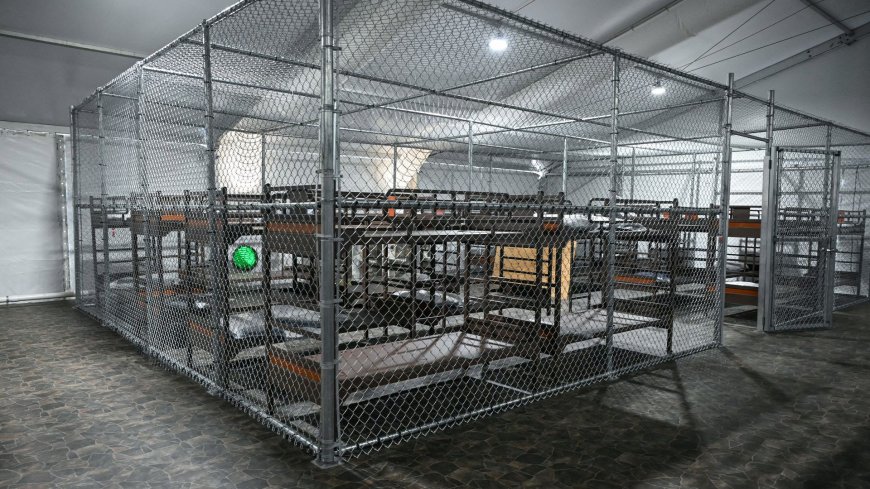
Various immigrant rights groups, Democratic legislators, environmentalists, and tribal communities opposed the existence of the center from the beginning. Some legislators who visited the facilities last year reported extreme heat conditions, insect infestations, limited food, and migrants detained in cage-like spaces.
Families of detainees and legal organizations also filed lawsuits related to limited access to lawyers and lack of privacy in communications. Recently, a judge ordered that detainees have better legal access and private, unmonitored phone calls.
On the other hand, immigration authorities defended the operations of the center, ensuring that conditions met standards higher than many prisons in the country.
The Department of Homeland Security (DHS) denied reports this week that the federal government was pressuring the state to close the facility.
“Florida continues to be an important ally in advancing President Trump’s immigration agenda,” DHS stated in a statement.
The closure of “Alligator Alcatraz” marks another chapter in the intense national debate over immigration, migrant detention, and human rights, especially in a state like Florida, where the Hispanic and migrant community remains a fundamental part of its economy and social fabric.
While political and legal discussions continue, many families and community organizations hope that the closure will be a step toward more humane and sustainable immigration policies.
Photos: Meta - Wilfredo Cancio Isla