INTERNATIONAL | GEOPOLITICAL ANALYSIS Why Geography Gives Iran a Strategic Advantage in the Strait of Hormuz
Discover how Iran's strategic location in the Strait of Hormuz grants it a key geopolitical advantage over one of the world's most important maritime routes for oil and energy trade.
 Andres Paz
INTERNATIONAL | GEOPOLITICAL ANALYSIS
Why Geography Gives Iran a Strategic Advantage in the Strait of Hormuz
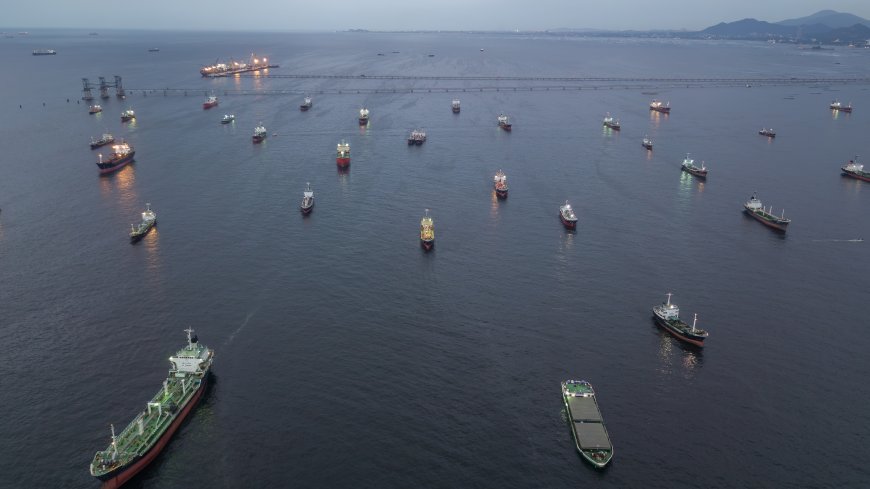
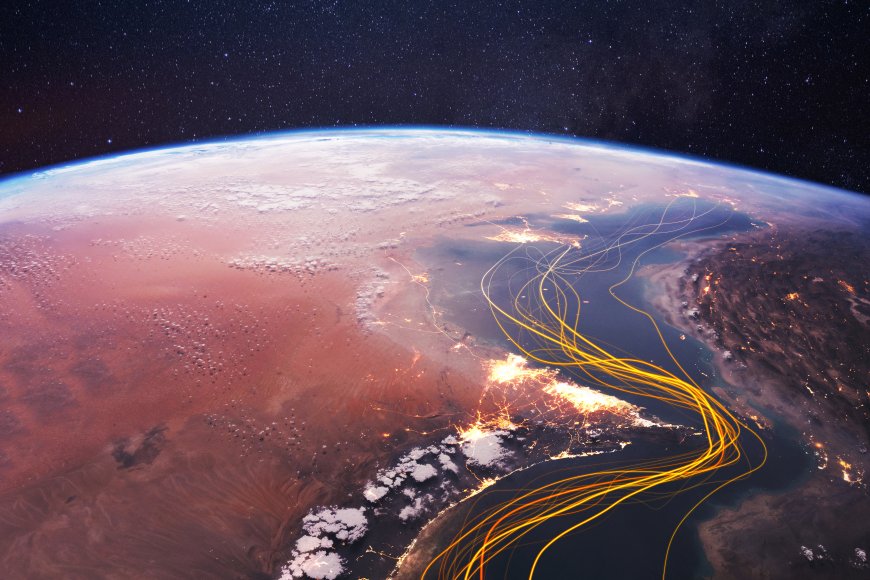
The Strait of Hormuz is one of the most important points in global energy trade. Through this maritime passage, located between the Persian Gulf and the Gulf of Oman, a significant portion of the oil and gas that supplies Asia, Europe, and other regions of the world transits.
In this context, Iran's geographical location gives it a unique strategic position that directly influences global geopolitics, energy markets, and international security.
A Critical Step for the Global Economy
The Strait of Hormuz is considered one of the most important "bottlenecks" on the planet. Approximately a significant part of the world's oil trade passes through this maritime route, making it highly sensitive economically.
Any disruption in this corridor can have immediate impacts on oil prices, global inflation, and the stability of energy markets.
Iran's Geographical Advantage
Iran shares a maritime border with the Strait of Hormuz on its southern coast, allowing it to exert direct influence over one of the world's busiest routes.
This position grants several strategic advantages:
- Monitoring capacity of maritime traffic in the strait
- Indirect influence over regional navigation security
- Key importance in any international negotiations related to energy and trade
- Military and defensive relevance in a highly disputed zone
Although the strait is also bordered by other Gulf countries, Iran's proximity makes it a central actor in any regional tension or cooperation scenario.
Global Energy Importance
The significance of the Strait of Hormuz is not only geographical but also economic. Major oil producers in the Gulf depend on this route to export their production to international markets.
This means that any factor affecting the stability of the strait can have global consequences, including increases in fuel prices and pressure on economies dependent on imported energy.
A Key Point in International Geopolitics
Due to its strategic importance, the Strait of Hormuz has historically been a focal point for world powers and regional actors. The stability of this zone is considered a priority for global energy security.
In this scenario, Iran's geographical position remains a central element in the balance of power in the Middle East and in international diplomatic dynamics.
Conclusion
Geography continues to be a decisive factor in global politics. In the case of the Strait of Hormuz, Iran's location reinforces its strategic relevance in one of the world's most important maritime routes, where economic, energy, and international security interests converge.